
Contemporary Interior Design: A Modern Approach to Living Spaces

Contemporary interior design is one of the most influential styles shaping homes today. Unlike design movements tied to a specific era, contemporary design reflects what is current. It evolves with trends, technology, and cultural changes. This style emphasizes simplicity and open space. It also seeks a thoughtful balance between form and function. This makes it a great choice for modern living spaces that prioritize comfort, clarity, and visual appeal.
What Is Contemporary Interior Design?
Contemporary interior design is really about what's happening now. It makes rooms look nice by using shapes, basic colors, different textures and big bold things that stand out. Contemporary interior design is not based on a time in the past. This means it changes as time goes on. What we think of as contemporary design today will probably be different tomorrow. Contemporary design is always changing because it is about what's happening now.
Rather than adhering to rigid rules, contemporary interiors blend elements from multiple influences, including minimalism, mid-century modern, Scandinavian, and even global aesthetic trends, while maintaining a cohesive and uncluttered look.
Core Principles of Contemporary Design
Simplicity with Personality
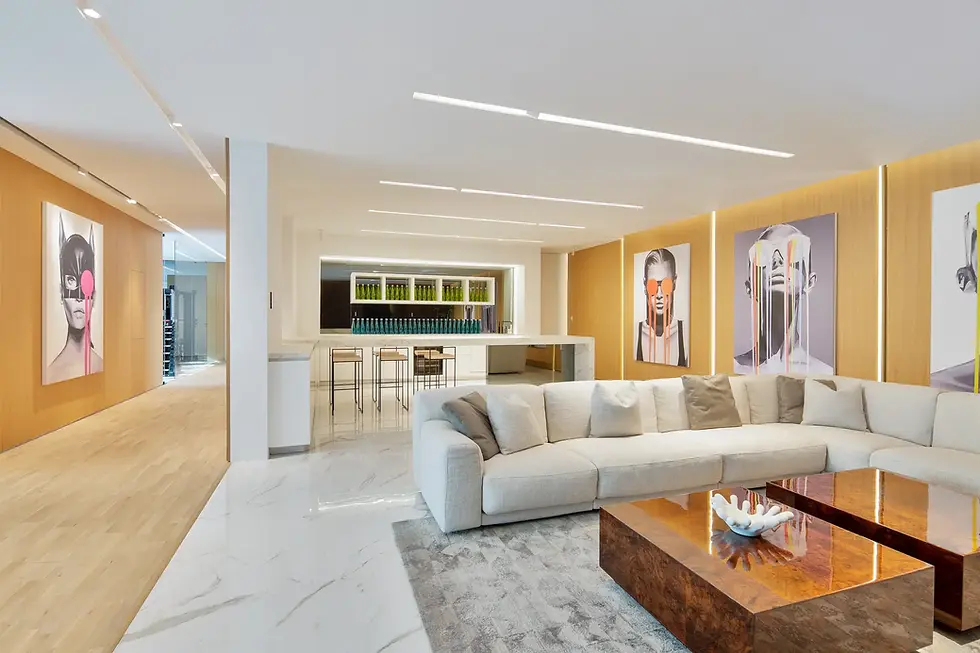
Modern rooms are really into being simple and have lines. The furniture in these rooms usually has a smooth shape and straight lines but the people who design these rooms add some warmth by using different textures, curves and a few big pieces of furniture that really stand out. Contemporary spaces like this have furniture that's simple but the designers make sure to add some special touches, like texture and curves to make the contemporary spaces feel cozy.
Neutral Palette with Strategic Accents
At the heart of contemporary interiors is a neutral base, typically whites, soft grays, beiges, or muted tones. These act as a calming backdrop against which accent colors and artistic elements, like statement artwork or colorful furniture, can shine without overwhelming the space.

Texture and Material Play
People really like the way things look when you put materials and textures together. You can have glass right next to a rug with fiber that is all rough. You can have shiny metal next to wood that is not shiny at all. It is also nice to have soft furniture next to stone that is hard and cold. When you do this, it makes things look more interesting. Contemporary design is about this kind of thing. Layering materials and textures, like smooth glass and textured rug fibers or polished metal and matte wood or soft upholstery and stone surfaces.
Open Layouts and Natural Light
Spaces in such open layout are open and have a lot of air. They do not have walls. Most people prefer floor plans that let light go around the room without anything getting in the way. This makes the space feel bigger and spacious.
Big windows are used a lot in these spaces. These windows let people see outside and make the space feel more open. The outside and the inside spaces feel connected because of these windows. Spaces in design are all about feeling open and free.
Function and Comfort
Looks are important but modern homes must also be useful. When it comes to furniture and how we arrange our spaces we pick things that serve a purpose. This way our daily lives are easier and our homes still look really nice. The furniture and the way we set up our rooms are chosen to make life better every day. They also must look good.
What is the difference between modern and contemporary interiors?
People often consider contemporary interiors design and modern design to mean the same thing but that is not really the case. Modern and contemporary designs are different.
Modern design refers to a specific period and sets aesthetic, deeply rooted in early-to-mid-20th-century principles: simple forms, natural materials, and practical function.
Contemporary design is fluid, always absorbing what’s current in design culture, including curves, sculptural lighting, and new materials, and is not bound to a single “look.”
In short, modern can be part of contemporary, but contemporary is broader, more dynamic, and more trend-responsive.

What are the key elements of contemporary design?
Furniture and Fixtures
Wondering what kind of furniture suits contemporary homes? Furniture in contemporary spaces tends to have sleek profiles, minimal ornamentation, and a thoughtful balance between comfort and sculptural form. Curved sofas, streamlined chairs, and modular pieces help create visually appealing yet functional settings.
Lighting as Design
Lighting fixtures, ranging from large pendants to layered recessed lighting, are used in contemporary design not only for functionality but as design statements and art pieces. Lighting design adds to the ambiance of a space, accentuates textures, and emphasizes architectural details.
Materials & Finishes
The use of a variety of materials like glass, metal, wood, stone, and new sustainable materials showcases the contemporary design approach of blending tradition with innovation. Glossy finishes, matte contrasts, and textured textiles add depth to a space while maintaining a sense of balance.
What colors are used in contemporary style?
In contemporary interior design, the palette usually includes shades of white, off-white, beige, greige, and gray, with black incorporated to add contrast and depth. The base colors are then enhanced with carefully selected accent colors that reflect nature and current trends, such as shades of earth tones, greens, browns, blues, and rust and caramel shades. Unlike other styles, contemporary design avoids bold and busy combinations and instead incorporates tone-on-tone colors, texture depth, and material colors such as wood and metal to ensure balance, sophistication, and harmony.
Room-by-Room Contemporary Design Ideas
Living Room
Design a welcoming yet streamlined living room with a neutral base, sculptural furniture, and coordinating accent colors. Keep accessories minimal to let key design elements stand out.
Kitchen
Design a kitchen with clean cabinetry, integrated appliances, and less hardware. Use contrasting materials, such as matte-finish cabinetry and glossy backsplash materials, to provide visual interest.

Dining Area
In a contemporary home, a statement light fixture over a dining table serves as a focal point in a room. Choose a contemporary chair and table, and a light, visually cohesive with the rest of the home.
Bedroom
Design a bedroom with a focus on comfort, with furniture, textiles, and lighting that provide a sense of relaxation. Accent walls, textured headboards, and subtle artwork can add a sense of personality.
Bathrooms & Utility Spaces
Design a bathroom with clean fixtures, a simple layout, and a large mirror. Contemporary tile patterns and minimal hardware provide a spa-like atmosphere.
Emerging Contemporary Design Trends
Sustainable & Smart Features
Today, contemporary design is also embracing sustainable features such as eco-friendly materials, sustainable lighting, and smart features, which is also a reflection of the culture.
Texture-First Minimalism
Rather than plain minimalism, many spaces now favor texture-first minimalism, where warmth and tactility are introduced through fabrics, curved forms, and subtle layering.
Flexible, Multifunctional Spaces
Given the evolution of lifestyles, contemporary design is also embracing flexible, multifunctional spaces that can easily be converted from one function to another without compromising style
Common Mistakes to Avoid
While contemporary interior design does embrace simplicity, it's not a good idea to take it too far, to a point where it becomes stark and minimalistic. Balance is key, and that means combining clean lines with layered textures, warm materials, and pops of accent color.
Conclusion
As you can see, contemporary interior design is a reflection of today's villa design philosophy, which is flexible, minimalist yet expressive, and informed by current aesthetic trends. It's a way to create spaces that feel open, functional, and stylish, while embracing the fluidity of change. Whether you're looking to create a peaceful living room, a vibrant kitchen, or a peaceful bedroom sanctuary, contemporary interior design is a style that's both elegant and timelessly chic.

Comments