
Space Planning in Interior Design: The Foundation of Functional and Beautiful Spaces
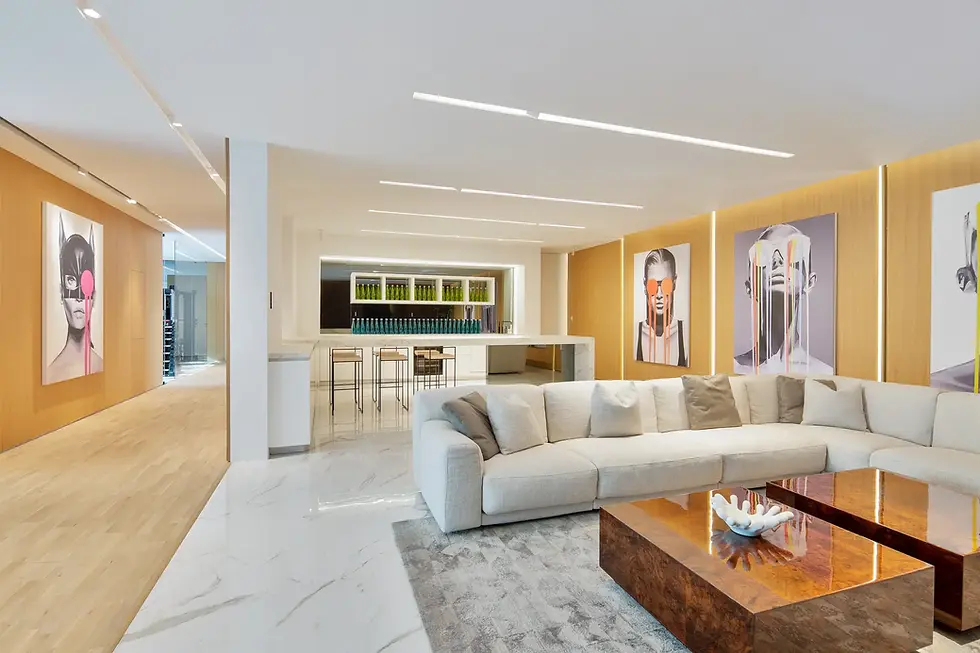
Space planning in interior design is one of the most critical stages in creating environments that are both functional and visually harmonious. Whether designing a luxury villa, a modern apartment, or a commercial space, effective space planning ensures that every square meter is optimized to support comfort, movement, and lifestyle needs.
In today’s design landscape where open layouts, multifunctional areas, and personalized living are increasingly important, space planning goes far beyond furniture placement. It is a strategic process that shapes how a space is experienced, lived in, and enjoyed.
What Is Space Planning in Interior Design?
Space planning is the process of organizing interior spaces to support their intended function while maintaining aesthetic balance and efficient circulation. It involves analyzing how people will move through a space, how zones interact with each other, and how furniture, fixtures, and architectural elements are arranged.
At its core, space planning answers key questions:
How will the space be used daily?
How many people will occupy it?
What activities will take place?
How can the space feel open, intuitive, and comfortable?
A well-executed space plan creates flow, eliminates wasted areas, and ensures that the design supports both form and function.
Why Space Planning Is Essential in Interior Design
Maximizes Functionality
Good space planning ensures that each area serves a clear purpose. Bedrooms promote rest, kitchens support workflow, living areas encourage social interaction, and storage is thoughtfully integrated rather than added as an afterthought.
Improves Flow and Circulation
One of the main goals of space planning is seamless movement. Clear pathways, logical transitions between rooms, and proper spacing prevent congestion and make interiors feel effortless to navigate.
Enhances Comfort and Livability
Even the most visually stunning interior will fail if it feels cramped or impractical. Proper space planning allows rooms to “breathe,” ensuring correct proportions, adequate lighting, and ergonomic layouts.
Adds Long-Term Value
Well-planned spaces age better. They adapt more easily to lifestyle changes, family growth, or future renovations—making space planning a smart long-term investment.
The Key Principles of Effective Space Planning
Understanding the User
Successful space planning begins with understanding the client’s lifestyle, habits, and priorities. A family villa requires different planning than a bachelor apartment or a holiday home. Design decisions should always reflect how the space will be lived in.
Zoning the Space
Zoning divides an interior into functional areas such as:
Public zones (living room, dining area)
Private zones (bedrooms, bathrooms)
Service zones (kitchen, storage, utility areas)
Clear zoning creates order and balance, especially in open-plan layouts.
Scale and Proportion
Furniture, ceiling heights, and room sizes must be proportionate to the overall space. Oversized furniture can overwhelm a room, while undersized elements can make it feel incomplete.
Circulation and Clearances
Professional space planning accounts for walking paths, door swings, and clearance around furniture. This ensures comfort, safety, and ease of movement.
Flexibility
Modern interiors benefit from adaptable layouts. Multifunctional rooms, movable partitions, and modular furniture allow spaces to evolve with changing needs.

Space Planning for Residencial Villa
In homes, space planning focuses on comfort, personalization, and lifestyle flow. Kitchens are often designed as social hubs, bedrooms as retreats, and living areas as multifunctional spaces for relaxation and entertainment.
Luxury residential space planning often includes:
Walk-in wardrobes
Open kitchens with hidden storage
Seamless indoor-outdoor transitions
Private family zones and guest zones
Common Space Planning Mistakes to Avoid
Ignoring circulation paths
Overcrowding rooms with furniture
Poor storage planning
Failing to plan lighting alongside layout
Designing without considering future needs
Avoiding these mistakes ensures that interiors remain functional, elegant, and timeless.
The Role of Technology in Modern Space Planning
Today, designers use advanced tools such as 3D layouts, virtual walkthroughs, and space optimization software to visualize and refine plans before execution. This allows clients to experience their space in advance and make informed decisions early in the design process.
Smart space planning also integrates technology such as concealed wiring, smart home systems, and adaptable lighting layouts—especially important in contemporary luxury interiors.
Space Planning as the Foundation of Interior Design Success
Space planning is not just a technical step—it is the foundation upon which every successful interior design project is built. From functionality and comfort to aesthetics and long-term value, the way a space is planned determines how it will perform and feel for years to come.
Whether you are designing a luxury villa, renovating an apartment, or developing a commercial space, investing in professional space planning ensures that beauty and function coexist seamlessly.
In interior design, great spaces are not accidental—they are carefully planned.


Comments